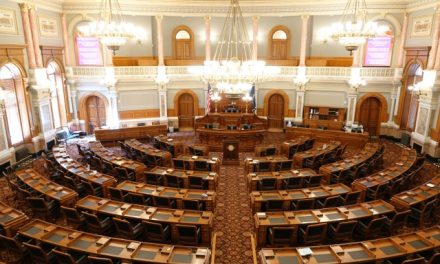
Near the end of January this year, the 2026 Texas Cannabis Policy Conference was hosted at Texas A&M University in Austin. The event brought together bipartisan policymakers, advocates, legal experts, industry leaders, public health professionals, and researchers for a weekend of substantial discussions on cannabis and hemp policy in the US’s second largest state by both population and area.
The event was widely framed as a critical inflection point for cannabis policy in a state long known for cautious and restrictive approaches to intoxicating cannabinoids. Attendees engaged in 20 sessions over the 2 days of the conference, prioritizing legal frameworks, regulatory structures, scientific evidence, and governance models over partisan rhetoric. The Head Magazine staff was unfortunately not able to attend the event in person this year, but we were able to attend some of the sessions virtually through the event’s livestream.
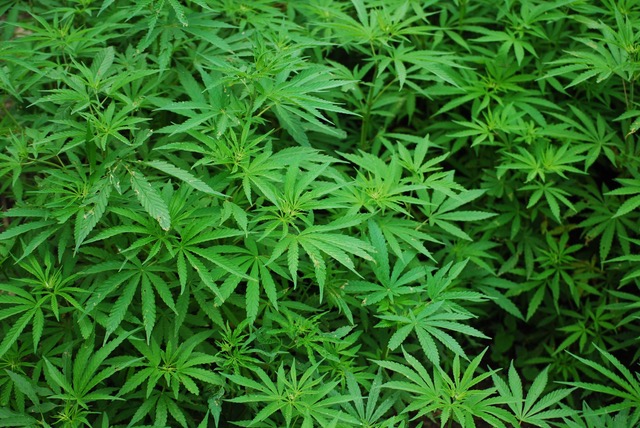
Photo: CC0 1.0 Public Domain
Organizers considered the conference as an opportunity to foster evidence-based dialogue on cannabis and hemp policy, bringing together voices rarely heard in the same room. The conference kicked off on Friday morning with a welcome ceremony leading directly into a discussion of the roadmap of how the Regulatory & Political Landscape for Cannabis has changed in Texas in just the past few years, leading to further conversations regarding advocacy, legislation, and societal impact with cannabis in Texas. Sessions covered a range of topics, from hemp regulation and public safety to medical cannabis access and the intersection of federal and state law.
Throughout the entire weekend, organizers emphasized that Texas’ long-delayed conversation about cannabis policy is shifting toward serious regulation and that inaction is no longer viable. A noteworthy moment came during a bipartisan keynote panel featuring State Rep. Drew Darby (R-72nd district) and State Sen. Nathan Johnson (D-16th district), both of whom emphasized the complexity of cannabis policy in Texas and the importance of Governor Abbot’s veto of a potential ban on hemp products in Texas.
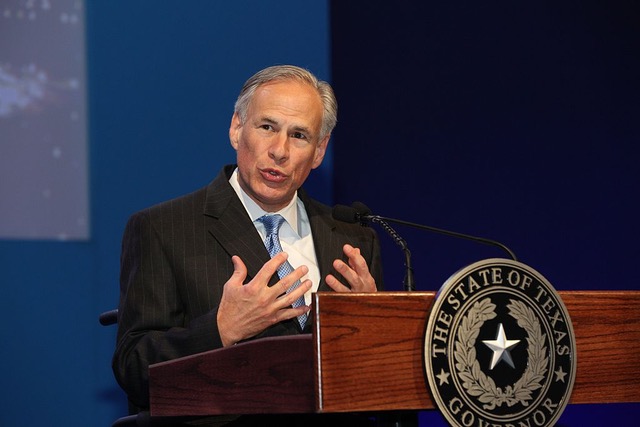
Greg Abbott, Governor of Texas. Photo Credit: World Travel & Tourism Council, CC BY 2.0 via Wikimedia Commons
Darby summed up the legislative quandary with blunt honesty: “I don’t know of any area that is so in flux than this issue right now,” adding, “We almost have to take it up.” This remark underscored how efforts to ban consumable hemp products, which sparked intense debate in the 2025 legislative session, have highlighted the need for a responsible regulatory framework rather than ongoing prohibition. These debates echo broader legislative developments: Texas lawmakers have increasingly signaled a shift toward regulation rather than prohibition of hemp-derived THC, with expectations that the 2027 legislative session will tackle comprehensive regulatory structures rather than bans.
Lawmakers and industry leaders emphasized that a structured regulatory system could address public safety and youth access without cutting off legal commerce. One of the key proposals included age restrictions; with multiple speakers supporting or exploring setting the legal purchase age for THC products at 21, similar to alcohol, a policy already temporarily in effect under emergency rules.
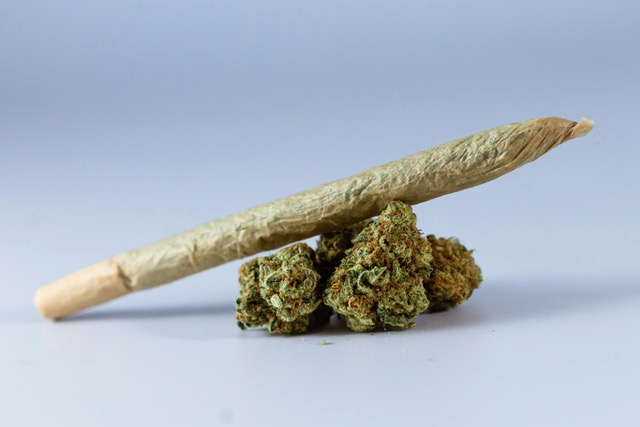
Photo by Terrance Barksdale/ pexels.com
Another key proposal was for hemp products to have clear licensing standards, with discussions focused on establishing a robust licensing system for retailers and manufacturers to ensure compliance and safety, as well as speakers supporting enhanced testing, labeling, and packaging requirements, with proposals that would tighten testing standards and improve product labeling, including child-resistant and tamper-evident packaging, to protect consumers. These proposals reflect a growing consensus that regulation, rather than prohibition, can better manage product safety and market growth.
Some panels even brought in public health experts to talk about consumer safety, youth access, labeling, testing, and the need for transparent product standards. These discussions emphasized concerns over youth exposure and the health implications of unregulated products; points that state regulators and lawmakers have been grappling with in recent months.
Speakers also explored the intersection of federal policy and Texas law, encouraging attendees to consider how national shifts in cannabis regulation might influence state approaches. Sessions looked at trends in other states and how Texas might adopt lessons from jurisdictions with established regulatory frameworks.
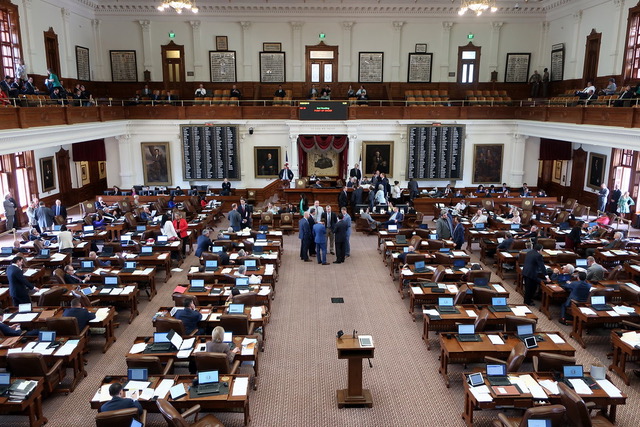
Texas Senate Chamber/ Photo by Wally Gobetz/Flickr.com/CC BY-NC-ND 2.0
While the conference obviously did not result in immediate legislative action, many observers and participants felt it will be an important milestone in Texas cannabis policy dialogue; one that brought much-needed coherence and depth to public discussions. Organizers and stakeholders alike hope that the momentum from the event will help shape the legislative debates in the coming year and inform a more structured regulatory framework to replace the state’s current ambiguities.
As mentioned earlier, Texas remains at a crossroads, and this conference demonstrated both the complexities of crafting cannabis policy in a deeply divided state and the earnest desire among diverse stakeholders to find common ground. Here’s to a better future for marijuana in The Lone Star State.
AJ Favorito, is Head Magazine’s Sports Editor. He is a freelance writer and an award-winning media producer with over 9 years of experience in sports media.